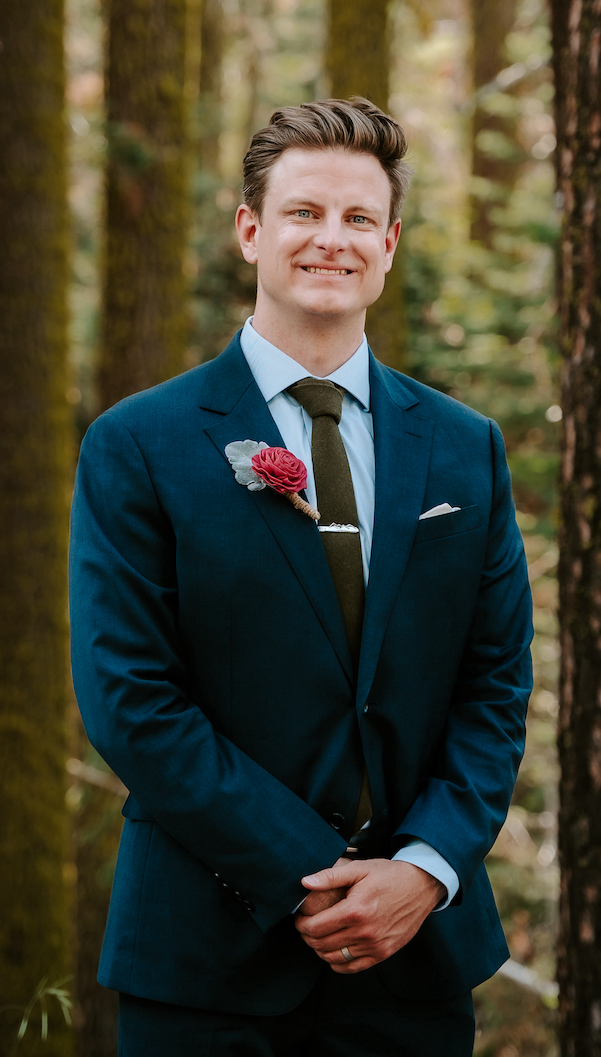
About Me
I am a computer scientist focused on using modern data science techniques to solve real-world activity-based intelligence problems. My toolbox includes various techniques for heterogeneous data fusion, large-scale parallel data processing, machine learning, geospatial and spatiotemporal modeling and analysis, statistical modeling, natural language processing, optimization, and agent-based modeling. Some key application areas I have worked on include: 1) disease modeling, surveillance, and forecasting, 2) political instability modeling, and 3) patterns-of-life analysis and anomaly detection.
Experience
Group Leader
2023–Present · Los Alamos National Laboratory
Scientist
2015–2023 · Los Alamos National Laboratory
Graduate Research Assistant
2012–2015 · Los Alamos National Laboratory
Research Assistant
2009–2014 · University of Iowa
Teaching Assistant
2008 · University of Iowa
Associate Software Engineer
2006–2008 · 21st Century Technologies
Education
Ph.D. in Computer Science
2008–2014 · University of Iowa
Thesis: Improving disease surveillance: sentinel surveillance network design and novel uses of Wikipedia
M.S. in Computer Science
2008–2011 · University of Iowa
B.S. in Computer Science
2003–2008 · University of Texas at Austin
B.S. in Mathematics
2003–2008 · University of Texas at Austin
Projects
eclipse-hasher
eclipse-hasher is an Eclipse plugin for computing the cryptographic hash of selected files.
pyHarmonySearch
pyHarmonySearch is a pure Python implementation of the harmony search global optimization algorithm.
pyxDamerauLevenshtein
pyxDamerauLevenshtein implements the Damerau-Levenshtein edit distance algorithm for Python in Cython for high performance.
yelpapi
yelpapi is a pure Python implementation of the Yelp Fusion API (aka Yelp v3 API).
NextHub
NextHub is a powerful and extensible file-sharing server written in C# that implements the ADC protocol. It runs under any platform supporting the .NET 2.0 framework. Development stopped in 2008.
Hobbies
- football
- rugby
- powerlifting
- photography
- Brazilian jiu-jitsu (blue belt)
- snowboarding
- skiing
- hiking/backpacking
- scuba diving
- cycling
- chess
- computer games
- ultimate Frisbee